
Who Is Liable in an EV or Self-Driving Car Accident?
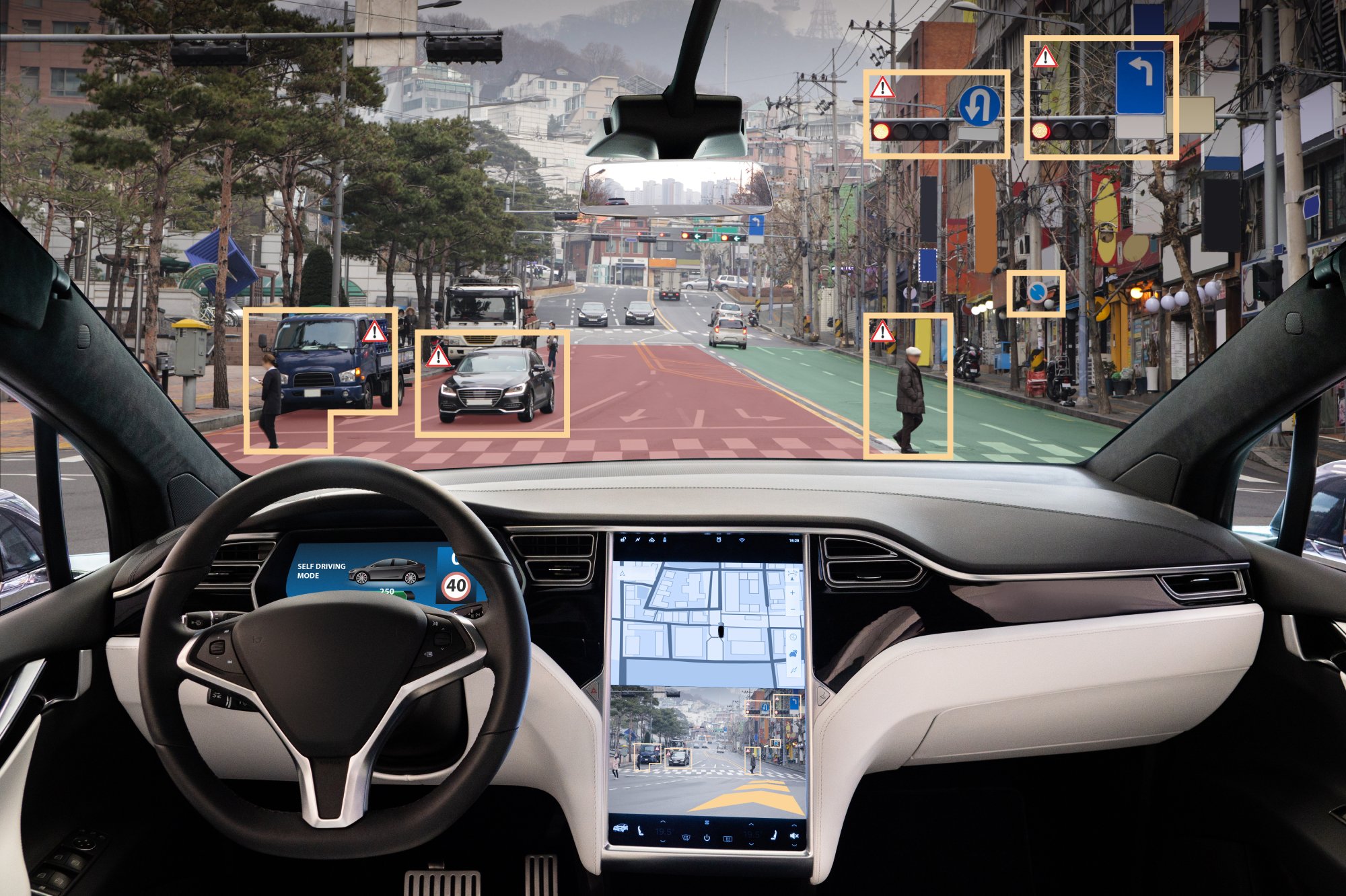
Determining liability in accidents involving electric and self-driving vehicles requires a direct analysis of the operator, vehicle manufacturer, and software developer. According to federal safety standards, while most semi-autonomous systems require human oversight, liability can shift to the manufacturer if an accident is caused by a hardware defect or a critical failure in the AI's programming. For incidents occurring at charging stations, liability typically falls under premises liability law, making the property owner responsible. In cases of EV battery fires, a product liability claim may be pursued against the automaker if a manufacturing defect is proven to be the cause. This guide outlines the key factors in determining fault for these complex new personal injury cases.
Quick Answers to Your Common Questions
Q: I was injured by a self-driving car. Who is at fault - the driver or the manufacturer?
A: This is a complex legal question. Liability in a self-driving car accident can potentially be attributed to multiple parties: the operator (who may have failed to supervise the system), the vehicle manufacturer, the software developer, or even the city for road maintenance issues. It requires a thorough investigation to determine the cause, and you absolutely need legal counsel to navigate these emerging legal complexities.
Q: Can I file a claim if I was injured at a public EV charging station?
A: Yes. Injuries at charging stations can fall under premises liability. Property owners have a duty to maintain a safe environment. This includes preventing slip and fall hazards from cables, ensuring proper lighting, and maintaining the electrical equipment to prevent shocks or burns. Your claim would likely be against the owner or operator of the station.
Q: My EV caught fire and caused significant damage. What are my options?
A: EV battery fires are a serious concern. If a fire is caused by a manufacturing defect or a design flaw in the battery or electrical system, you may have a product liability claim against the automaker or battery manufacturer. These cases are highly technical and require expert analysis to prove the defect.
3 Parties to Investigate for Liability in a Self-Driving Car Collision
The core promise of autonomous vehicles is increased safety, but when a collision occurs, the lines of responsibility are often blurred. A successful personal injury claim requires investigating several parties to identify the primary cause of the accident.
- The Operator: Most vehicles with "self-driving" features are technically Level 2 or 3 driver-assist systems, which require an attentive human operator. If the operator was distracted or failed to take control when the system issued a prompt, they can be held partially or fully responsible for negligence.
- The Vehicle Manufacturer: Automakers are required to produce safe and reliable products. Liability falls on the manufacturer if the accident was caused by a flaw in the vehicle's hardware, such as a faulty sensor, camera, or braking component. This forms the basis of a product liability claim.
- The Software Developer: The AI's decision-making process is governed by millions of lines of code. A bug, glitch, or failure in this complex software could cause a crash. Proving software negligence is a highly specialized and emerging area of personal injury law that requires expert analysis.
At Hagen Rosskopf, our team has the resources to investigate every technical component of an accident. For more information, see our page on car crashes.
Premises Liability for EV Charging Station Injuries
The convenience of EV charging stations comes with its own set of risks. These locations, from public garages to supermarket parking lots, are becoming common sites for injuries that have nothing to do with a moving vehicle.
Common charging station injuries include:
- Slips, Trips, and Falls: Charging cables snaking across walkways, poor lighting, or slick surfaces from rain or snow can create serious fall hazards. These incidents are a classic example of premises liability.
- Electric Shock and Burns: Faulty equipment, frayed cables, or improper installation can lead to severe electrical injuries. The high voltage used for rapid charging makes this a particularly dangerous possibility.
- Pedestrian Incidents: Charging stations are often in busy areas. Negligent drivers entering or leaving the station can easily strike a pedestrian who is focused on connecting their vehicle. If you've been injured as a pedestrian, our team can help. Learn more at our pedestrian injuries page.
Product Liability Claims for EV Battery Fires
While uncommon, lithium-ion battery fires are uniquely dangerous. Unlike gasoline fires, they can burn at extreme temperatures and are notoriously difficult to extinguish. A fire can be caused by a manufacturing defect, damage from a prior collision, or an overheating event during charging.
Pursuing a claim requires a meticulous investigation by fire cause-and-effect experts to prove that a defect in the battery or a related component was the direct cause. This falls squarely under product liability law and demands a legal team experienced enough to take on major corporations.
Your Trusted Guide in an Evolving World
As transportation technology evolves, the laws that govern it struggle to keep pace. You need an advocate who anticipates these changes. The team at Hagen Rosskopf is committed to staying at the cutting edge of personal injury law to ensure our clients receive the most effective representation possible. The future of driving is exciting, but it should not come at the cost of your safety.
Have You Been Injured? The law is evolving, but your right to compensation is clear. Contact our lawyers at Hagen Rosskopf today for a free, no-obligation consultation. We're here to help you understand your options and handle the legal complexities of these emerging cases.